
2026 Trends: A Fresh Look at Warm Wood Flooring
2026 Trends: A Fresh Look at Warm Wood Flooring
.jpg)
2026 is here, and with it comes a fresh perspective on how we shape the spaces we live in. Interiors are evolving with a focus on comfort, clarity, and natural materials that feel expressive and lasting. This year’s interiors are bringing warmth back into focus, and we couldn’t be more on board.
Warm wood in shades of honey, golden amber, chestnut, and cherry is heating up homes by adding subtle structure to open layouts, introducing a welcoming sense of coziness, and giving homeowners a way to express personality in every step. These tones work across a wide range of styles and offer a foundation that feels grounded, polished, and neutral enough to evolve with your home.
In this guide, we’ll walk through how to choose a warm wood tone that suits your space, how design details like grain and finish influence the final look, and how expert support can help you make decisions with confidence and clarity.
.png)
Warm Wood Tones That Create a Comfortable, Grounded Home
When a room feels right, flooring is often the reason why. Warm wood tones have a way of anchoring the space without weighing it down, giving the rest of the design room to breathe. In homes with open layouts, these tones help define zones and ease transitions. In smaller rooms, they bring a sense of depth and calm that invites you to settle in.
What makes a wood tone feel warm has little to do with temperature. It’s about the color family: shades that carry golden, red, or brown undertones. These hues echo the natural world and interact beautifully with soft lighting, layered textiles, and organic materials. Whether paired with brushed brass, creamy neutrals, or bold accent colors, warm wood creates balance.
We often hear from clients who want their space to feel welcoming but styled, cozy but clean. Hardwood in warm colors answers that request with subtle texture and rich color that works across styles, eras, and room functions. It adds personality in a way that still leaves space for your own.
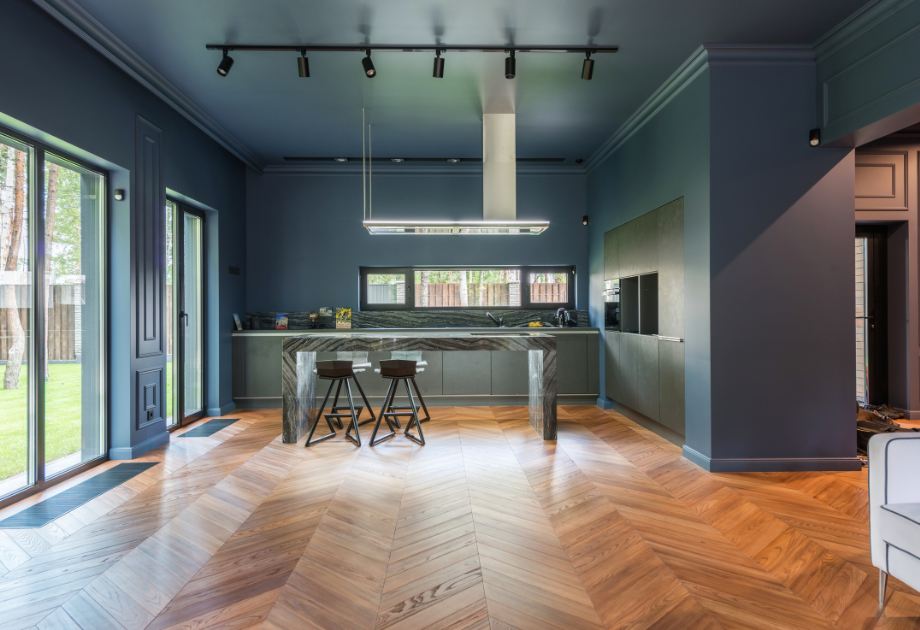
How to Choose a Warm Wood Tone That Fits Your Home Long-Term
Color selection starts with looking at what already defines your home's interior. Light, layout, architecture, and how you use each room will determine how to style each space. A floor's color should complement what's there and support what you're building toward. It’s the starting point for creating a home that feels connected from room to room.
The undertone of the wood is what gives it its warmth. Golden hues tend to brighten a space. Warm chestnut or light walnut colors can make a room feel grounded and calm. Red-based stains add richness and contrast, especially near warm metals or deeper palettes. When you're choosing a color, it helps to see how it interacts with the features already in your home, such as cabinetry, trim, or nearby furniture. That comparison often reveals the right direction more clearly than the color sample alone.
Natural light plays a role, too. A color that feels airy and bright in full sun can appear deeper or more saturated in shaded areas or at night. In homes with open sightlines, choosing a color that flows between spaces creates an intentional rhythm without needing to match everything room by room. Seeing how the light in your space changes throughout the day can help you choose a color that feels consistent, natural, and well-suited to every room.
The goal is to select a wood color that will support both your personal aesthetic and your practical needs. For some, that means flexibility to change wall colors or furniture over time. For others, it means comfort in knowing the floor will hold up to everyday wear. Either way, we help clients focus on what fits their personal style or lifestyle needs, so their flooring choices feel clear, not overwhelming.
The Design Details That Bring Warm Wood Flooring to Life
Color may be the first thing people notice, but it’s the grain, layout, and finish that give warm wood its true presence. These details shape how the floor carries through each room: how it draws the eye, reflects light, and supports the room’s atmosphere. They’re what make a floor feel curated instead of generic, tailored instead of trend-driven.
When every element is chosen with intention, the floor becomes a design feature you don’t have to decorate around. It supports the entire space without overpowering it. A home that leans into minimalism might benefit from straight grain that feels refined and architectural. For clients who want openness without losing a sense of welcome, wide planks with gentle texture create softness without clutter. And in rooms where different finishes and materials come together, a satin finish can help the floor feel connected to everything around it. There are no rules. Only opportunities to express your style with clarity and purpose.
Grain Patterns That Shape the Character of Warm Wood Floors
Grain gives wood its texture and natural personality.
Straight, tight lines feel polished and composed, aligning well with modern or Scandinavian styles. More varied patterns with soft swirls or visible knots can introduce a relaxed, organic energy that suits casual spaces or older homes.
Start by thinking about what each room is meant to hold. If the goal is calm, quiet movement, look for smooth grain with minimal contrast. If you want a floor that draws the eye or balances bolder elements, a more expressive grain can help anchor the space without feeling heavy.
.jpg)
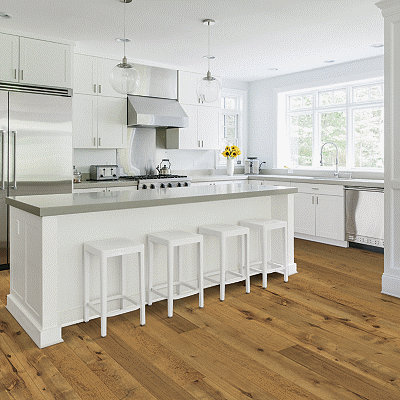
Plank Width and Layout Choices That Enhance Warm Tones
Plank width influences how the floor fills a space and shapes the room’s visual rhythm.
Wider boards highlight the color and grain of the wood, making open spaces feel more grounded and calm. Narrower planks introduce a sense of order and fit well in cozier rooms or homes with more traditional detailing.
Start by thinking about how you want the room to feel underfoot. Straight plank layouts keep the focus clean and continuous. Patterns like herringbone or chevron add visual interest and can help smaller or central spaces feel more styled without adding clutter.
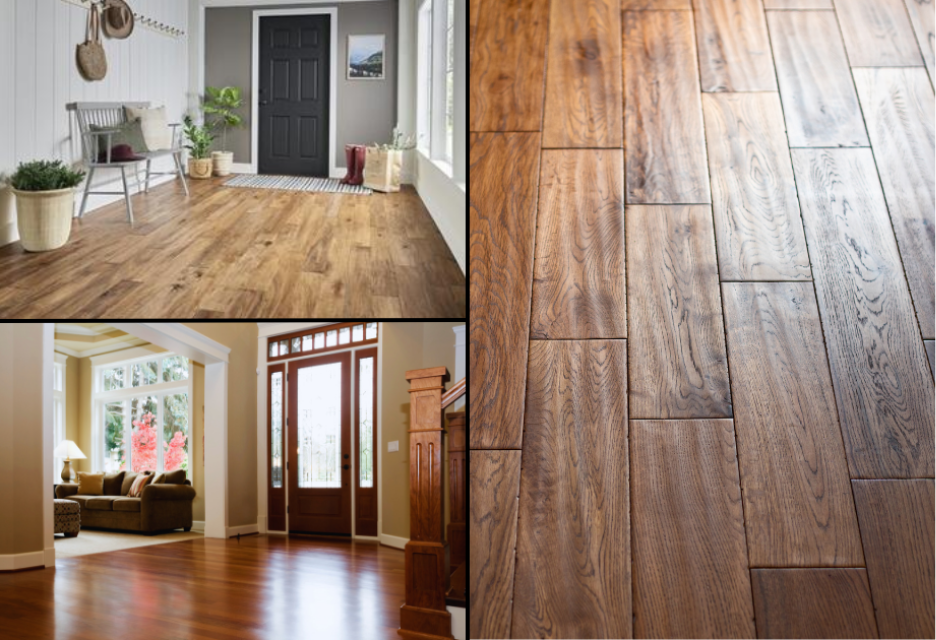
Finishes That Highlight Warmth and Support Everyday Living
Finish influences how a floor looks, feels, and wears across different parts of the home.
Matte and satin finishes tend to soften reflections and emphasize the natural grain of the wood. They work well in homes that lean cozy, layered, or calm. Gloss finishes bring more light and shine, but they may also make dust or scratches more visible depending on the space.
Start by thinking about how the room is used throughout the day. A finish that minimizes glare and wear can help a busy living room or hallway stay looking clean and comfortable between deeper cleans. And in quieter spaces, a soft sheen can add just enough polish to feel intentional without being fussy.
Step into Warmth in 2026 with A Step Above Flooring
The best interiors begin with choices that feel intentional. Warm wood flooring offers a foundation that’s both expressive and enduring, supporting the flow, comfort, and character of your home.
When the color, texture, and finish all work together, the result is a space that feels naturally aligned with how you live. Our team brings clarity to that process, offering guidance that’s grounded in both design and experience.
Contact us to explore flooring that fits your style and supports your home for years to come.
Let’s make 2026 the year your home feels warmer, more intentional, and truly yours.