
How to Find a Flooring Style You Love, Without the Overwhelm
How to Find a Flooring Style You Love, Without the Overwhelm
.jpg)
Are you starting to explore flooring options and finding that the possibilities stack up faster than expected? You probably know the feeling. One flooring sample feels grounded, another feels light and open, your saved images cover completely different styles, and suddenly it just seems easier to give up on the project. As ideas pour in, overwhelm and hesitation can grow because it just doesn’t feel clear how to turn your inspiration into a real floor that genuinely fits your home.
This blog is designed to help you take that early inspiration and use it to move forward with confidence. You’ll learn how to clarify your personal style, compare materials in a purposeful way, and use today’s digital tools to preview options inside your own home. These early steps will help make your flooring consultation more focused, more productive, and more rewarding.
Discovering Your Style Direction
It’s not always easy to define your style, especially when you’re drawn to a range of looks that don’t immediately connect. To add a level of difficulty, flooring plays a direct role in shaping how each room looks, functions, and feels. It affects the mood, the way light moves through a space, and how the entire home feels from one area to the next. So, it’s understandable that landing on one style feels like a big job. But there are some helpful hints that can lighten this load.
Some of the most useful clues come from what you’re saving, how your home already feels, and what you want each space to express.

Look for Patterns in What You Save
Pull up your saved photos. Do you notice a thread? Maybe you’re consistently drawn to wide plank flooring, subtle variations in color, a particular surface texture, or something else entirely.
Look at the details beyond the overall style. Are you seeing mostly matte or satin finishes? Do the tones lean warm, cool, or neutral? Are the planks wide and consistent, or more varied in size and color? Notice how the flooring relates to the rest of the room. Does it fade into the background, or define the mood of the space?
These traits shape how a floor feels in a home, and they’re easier to carry into a consultation than trying to name a specific style. Even if the rooms you’ve saved look different on the surface, the repeated elements are what point you toward a clear direction.
Consider How Your Home Already Feels
Your flooring choice should support what already works in the space. Look at your cabinets, wall colors, and furniture. Are the tones warm or cool? Is the room bright or shaded? Do materials lean traditional or modern? These cues help you decide whether your flooring should blend in, balance, or add contrast.
Flooring can also affect how a room feels in scale. In the right tone or format, it can visually make rooms feel larger or create smoother transitions between areas. Observing these details now makes your next step more focused.
Define What You Want Your Rooms to Communicate
Flooring helps set the mood of a space. It can add warmth, create contrast, or support a clean, open feel.
Do you want a room to feel calm or expressive? Grounded or bright? Inviting or bold? Questions like these help connect your flooring choices to the atmosphere you want to create.
.png)
Comparing Materials with Purpose
Once your style direction feels more defined, the next step is choosing a material that works for how you live. Every home has different demands. Some floors need to stand up to moisture or constant movement, while others need to support comfort, warmth, or visual flow.
Instead of comparing long lists of features, focus on how each material supports your home’s function and feel. This approach keeps the process grounded and helps you balance comfort and function across every room.
Match Lifestyle Realities to Material Strengths
The way you live shapes the kind of flooring that will work best. Homes with kids, pets, or heavy foot traffic benefit from durable surfaces that resist wear. Spaces with frequent moisture like kitchens, bathrooms, or mudrooms call for materials that won’t swell or shift over time.
Some flooring types are designed for flexibility across multiple spaces. Others are better suited to focused areas where style takes priority. Understanding how your home moves helps you choose materials that keep up with your home’s multi-tasking spaces.
Think About Scale, Acoustics, and Comfort
Different materials bring different sensory experiences. Hard surfaces reflect sound, while softer materials can help reduce noise in active areas. Plank size and color affect how large or small a room feels.
If you’re drawn to texture or sheen, that choice also affects light and comfort. A smooth, high-gloss finish bounces light. A matte or textured finish can create a quieter, more grounded effect. Preferences like these guide how flooring supports both design and daily life. Glossy, matte, or textured finishes all bring different qualities into the space.
Prioritize Long-Term Value Over Short-Term Options
The right flooring should work now and continue to work years from now. Some materials require more maintenance or touch-ups, while others keep their appearance with minimal effort.
Look at how the material responds to wear, how it ages, and how it fits with changes in your household. A well-matched floor will match your budget, style, and needs without needing to be replaced sooner than expected.
Using Flooring Visualizers with Confidence
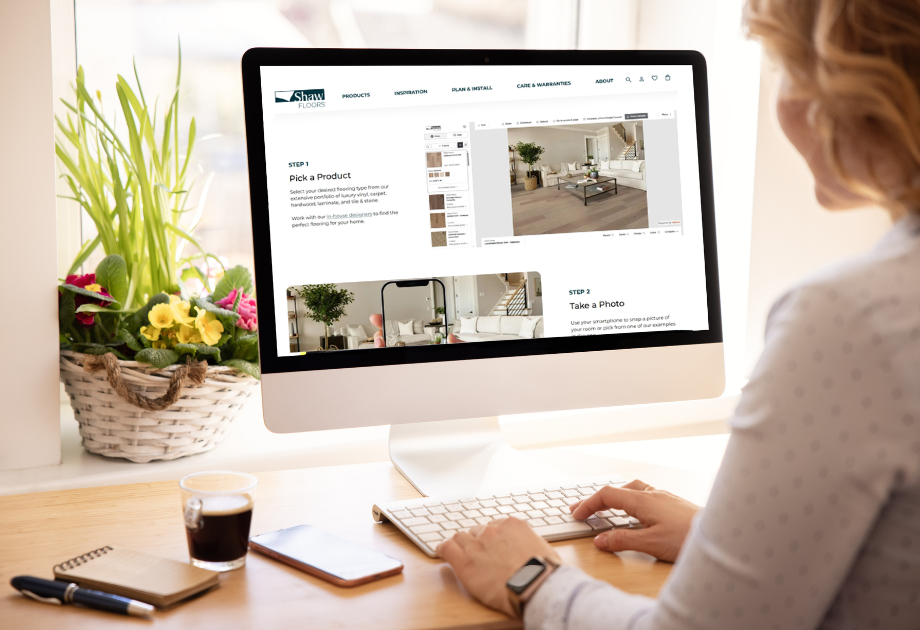
Visualizer tools make it easier to see how different options might actually look in your space. By uploading a photo of your room, you can test flooring styles, adjust tones, and preview layout patterns.
These tools help narrow your direction by showing how color, finish, and scale interact with the rest of your home. They don’t replace the feel of a real sample, but they can be a powerful tool when you’re working toward finding your perfect floor.
Shaw Floors Visualizer
Shaw’s visualizer offers room uploads, tone adjustments, and plank rotation tools that make it easy to preview multiple options.
Explore the Shaw Floors visualizer: https://shawfloors.com/en-us/view-in-your-room.
Mannington Virtual Decorator
Mannington’s tool supports side-by-side comparisons and helps visualize the difference between warm and cool tones across a variety of styles.
Try the Mannington Virtual Decorator: https://www.mannington.com/residential/features/virtual-decorator.
Mohawk Room Visualizer
Mohawk’s visualizer supports hardwood, carpet, and luxury vinyl options. You can upload your own room and see instant previews across multiple types of floors.
Test your ideas with the Mohawk room visualizer: https://www.mohawkflooring.com/discover.
Daltile Design Tools Suite
Daltile’s tools go beyond flooring to include tile layout and pattern planning features. These extras are especially helpful for coordinating across materials.
Daltile’s design tools can be accessed through this link: https://www.daltile.com/design-tools.
Bringing Your Ideas into a Consultation with Clarity
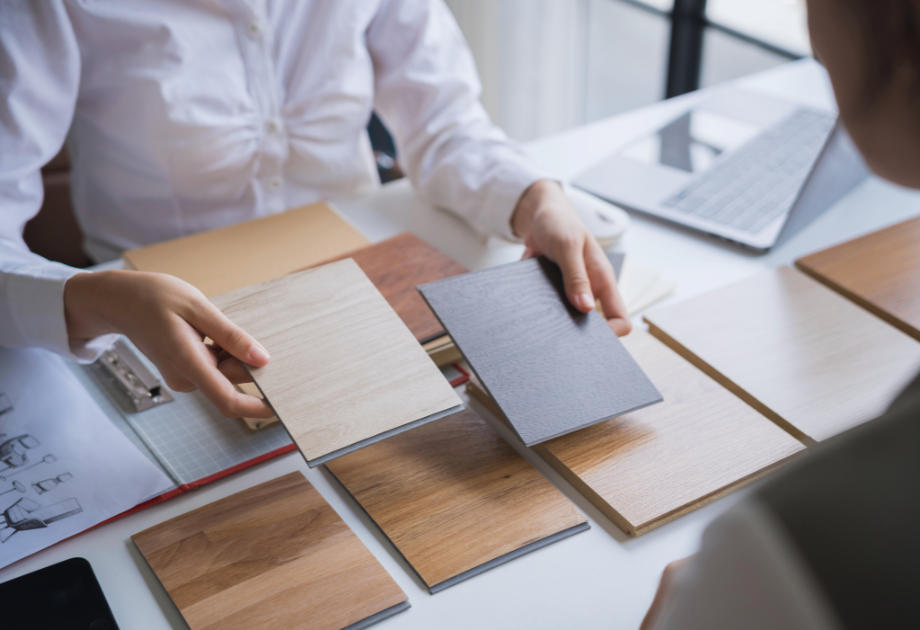
Once you’ve identified a style direction, explored material options, and saved visualizer screenshots, you’re ready to bring those ideas into your consultation.
Organize your photos, notes, and questions into a few clear priorities. Include any screenshots that felt right, tone or finish notes that kept showing up, and questions about transitions or material fit. These references give structure to the meeting and help your design team shape a flooring plan that works with your home and your goals.
Confidence Begins with a Consultation at A Step Above Flooring
Early inspiration becomes real progress when you have the right partner. At A Step Above Flooring, our team specializes in turning ideas into flooring plans that match your space, your style, and the way you live.
We’ve worked with homeowners, designers, and builders across all kinds of projects. Our process is built around thoughtful choices, professional insight, and a strong understanding of how each product performs over time.
Schedule your consultation today and bring your ideas to a team that knows how to turn them into something truly yours