
The Overlooked Step That Determines Flooring Success
The Overlooked Step That Determines Flooring Success
.jpg)
There’s nothing quite like the moment you decide to refresh your home with new flooring. You can already see how a fresh hardwood finish, bold tile pattern, or sleek vinyl design will transform the space. But the success of every installation depends on something most homeowners rarely consider: the subfloor.
While it may not carry the same visual appeal, the subfloor is what allows every finish above it to perform. When it is prepared with the same care as the surface design, your flooring looks better, feels steadier, and lasts longer. In this blog, we’ll explore the materials that form this hidden foundation, the signs that show when it needs professional attention, and the preparation steps that protect your home from costly issues later on. With expert craftsmanship beneath the surface, the floors you choose can truly perform as beautifully as they look.
The Hidden Foundation That Shapes Every Floor
Every room has a foundation that makes style and comfort possible. The subfloor stretches across the joists of your home, creating the surface where hardwood, vinyl, tile, or carpet is installed. When that base is sound and properly prepared, everything above it benefits.
Floors feel steady underfoot. Seams stay aligned. The look remains consistent throughout the home. You don’t hear squeaks when someone walks across the room at night, and you don’t notice uneven spots when moving from one space to another. A strong subfloor safeguards the beauty of your flooring investment and brings reassurance that what you chose will last. But what exactly is a subfloor made of, and why does it matter so much to the finished look of your home?
What It’s Made of and Why That Matters
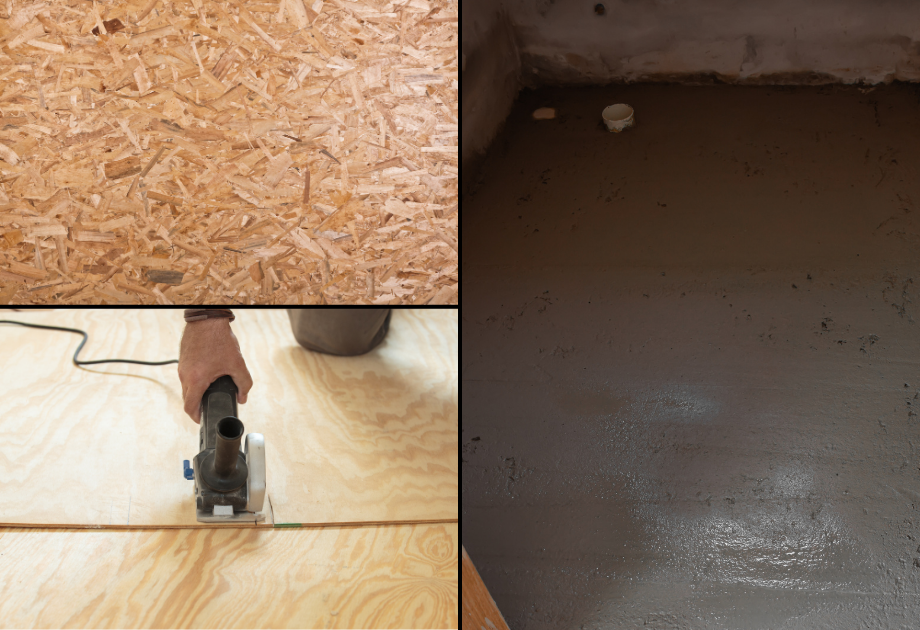
Subfloors are typically built from plywood, OSB (Oriented Strand Board), or concrete. Each material creates the platform that supports your finished floors, but their performance depends on how they are prepared. A surface that is flat, secure, and properly protected from moisture sets the stage for flooring that installs cleanly and stays beautiful for years.
A subfloor built with plywood offers dependable strength and fastening, while OSB is often chosen for its efficiency and availability. Concrete provides a solid base, particularly in lower levels. No matter the material, the same rule applies: the condition of the subfloor determines how well the finished flooring performs.
Thickness, fastening, and surface readiness all contribute to the outcome, and careful preparation is what keeps floors level, stable, and consistent from room to room.
Recognizing When Subfloors Need Attention
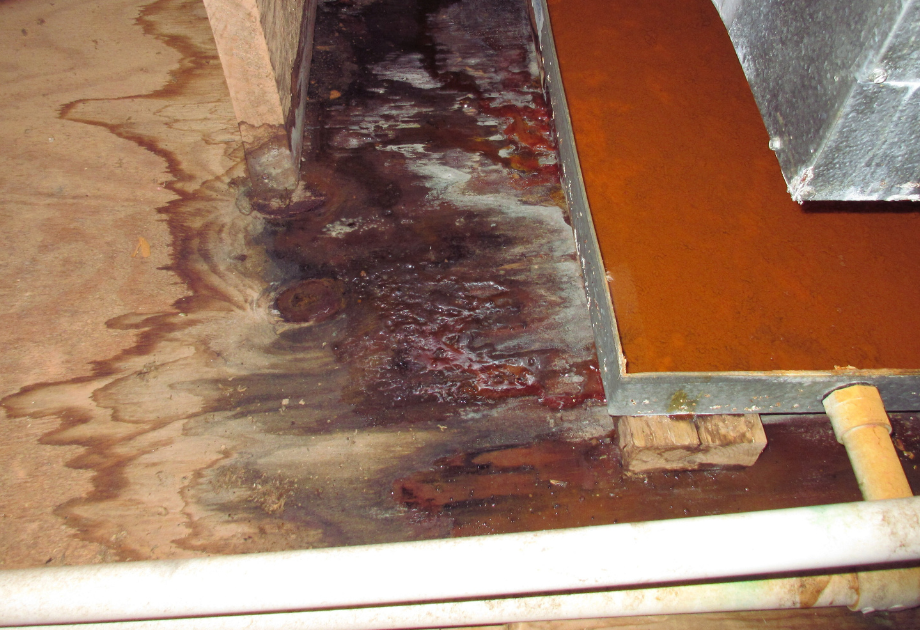
Most of the time, you never even need to think about what’s beneath your floors. But when something isn’t right, you’ll notice it in ways that are hard to ignore. A squeak when you step points to movement where the base should be solid. A dip in the floor suggests uneven support that can spread across a room. A soft spot underfoot may reveal weakening from age, water damage, or long-term wear. Each of these signs tells you that the foundation beneath the flooring is struggling.
Other problems show up more visibly. Cracks that appear along seams, shifting or loose boards, or flooring that rocks slightly when weight is applied all point to instability below. In some cases, discoloration or stains signal damage in the structure that needs professional evaluation before new materials are added on top.
Addressing these warning signs early prevents small issues from becoming bigger, costlier problems. By calling in professionals to assess what’s happening beneath the surface, you avoid carrying old problems into a brand-new installation. The result is a floor that looks the way you envisioned and feels stable in every step you take.
Moisture: The Leading Cause of Flooring Issues
Moisture is the most common reason floors fail. Industry research shows that nearly 80 percent of wood flooring problems trace back to excess water in the base. Excess water in or beneath the base leads to swelling, gaps, cupping, or loose tile. The fix starts before installation.
Professional testing with calibrated meters confirms whether wood moisture content and concrete vapor levels are suitable for hardwood, luxury vinyl, or tile. If readings are high, the path forward includes stabilizing indoor conditions, targeted drying or dehumidification, and addressing any sources of intrusion. When conditions return to safe ranges, the subfloor can be readied so the finished surface stays flat, quiet, and consistent.
Moisture Barriers as Protection for Your Investment
Once moisture is identified as a risk, the question becomes how to stop it from reaching your new floors. That’s where barriers come in. A moisture barrier is a protective layer between the subfloor and the flooring above. Options include underlayment membranes, liquid-applied vapor retarders for concrete, and rated sheet goods where appropriate.
In basements, on-grade slabs, or rooms with higher humidity, barriers prevent vapor from moving upward so seams stay tight and surfaces remain stable. On concrete, they also limit the chance of minor cracks transferring into the finish. Properly installed barriers help floors hold their shape and appearance well into the future.
Leveling: The Key to Comfort and Stability
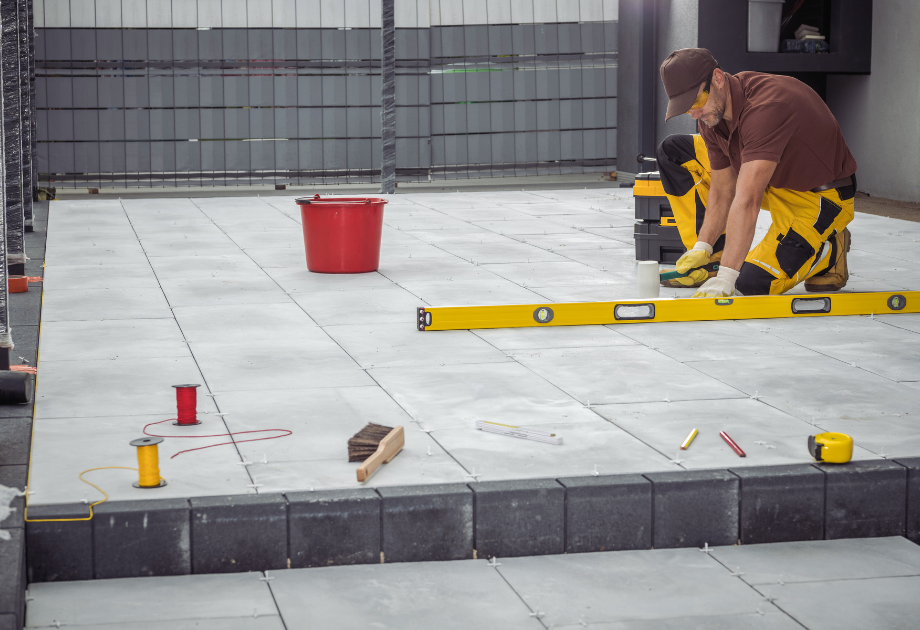
Even the most beautiful flooring cannot hide the flaws of an uneven base. When a subfloor dips or rises, the surfaces installed above it reflect those imperfections. Seams that should meet neatly instead sit slightly off. Planks can separate under pressure, and tiles may rock or crack along their edges. Over time, these small problems add up, taking away from both the look and the feel of the room.
Leveling also improves the daily experience of living on those floors, and professional installation makes the difference. At A Step Above Flooring, our team uses proven leveling techniques to remove raised seams and hidden gaps, so weight is distributed evenly across the surface. That expertise means fewer noises, less shifting, and a floor that feels stable in every step from one end of the house to the other.
Subfloor Quality as a Long-Term Investment
A well-prepared base prevents warped boards, gaps, or shifting seams and protects your budget by avoiding premature repairs or replacement. Beyond preventing problems, it also extends the life of the flooring you’ve chosen, allowing it to look polished and perform well long after installation.
The best way to achieve that level of quality is by working with experienced professionals. For homeowners in Cincinnati and Northern Kentucky, that means choosing a trusted local team. Our experts at A Step Above Flooring evaluate every project with precision and prepare each subfloor to support a floor that remains strong, stable, and beautiful for years to come.
A Step Above Flooring Provides Expertise Beneath the Surface
Every choice of color, pattern, or material rests on one essential factor: the preparation beneath it. Testing for moisture, adding protective barriers, and leveling surfaces are not minor details; they are the foundation of flooring that stays beautiful and dependable.
At A Step Above Flooring, we prepare every subfloor with the same care that goes into the visible design. That unseen craftsmanship safeguards your investment and gives you confidence that your floors will perform as beautifully as they look.
Contact us to schedule a consultation. Let us make sure your next floor is built to last.